
Oregon's Creative Opportunity Program
A Unique Way to Redirect Incentive Dollars to Local Development

State run offices and incentive programs that support film and media production usually focus on the production itself.
Tax incentives.
Permits.
Locations.
As a producer, you’ve heard the pitch.
Those tools matter. They bring projects to the state and help them execute. But they don’t necessarily support the local people, systems and communities in a consistent manner that make a creative industry sustainable.
That gap is exactly what the Creative Opportunity Program (“COP”) was designed to address.
Created during the 2021 state legislative session, the program dedicates two percent of Oregon’s incentive funding to direct investments in the local creative ecosystem. At the moment, that is roughly $375,000 per year for grants, training programs, workforce development, and regional partnerships. The funding comes from the state’s production incentive pool connected to the Oregon Production Investment Fund, effectively turning a small portion of incoming production spending into long-term industry growth and infrastructure.
The idea is simple.
Production incentives bring work to a place.
The Creative Opportunity Program invests in the people who can do that work.
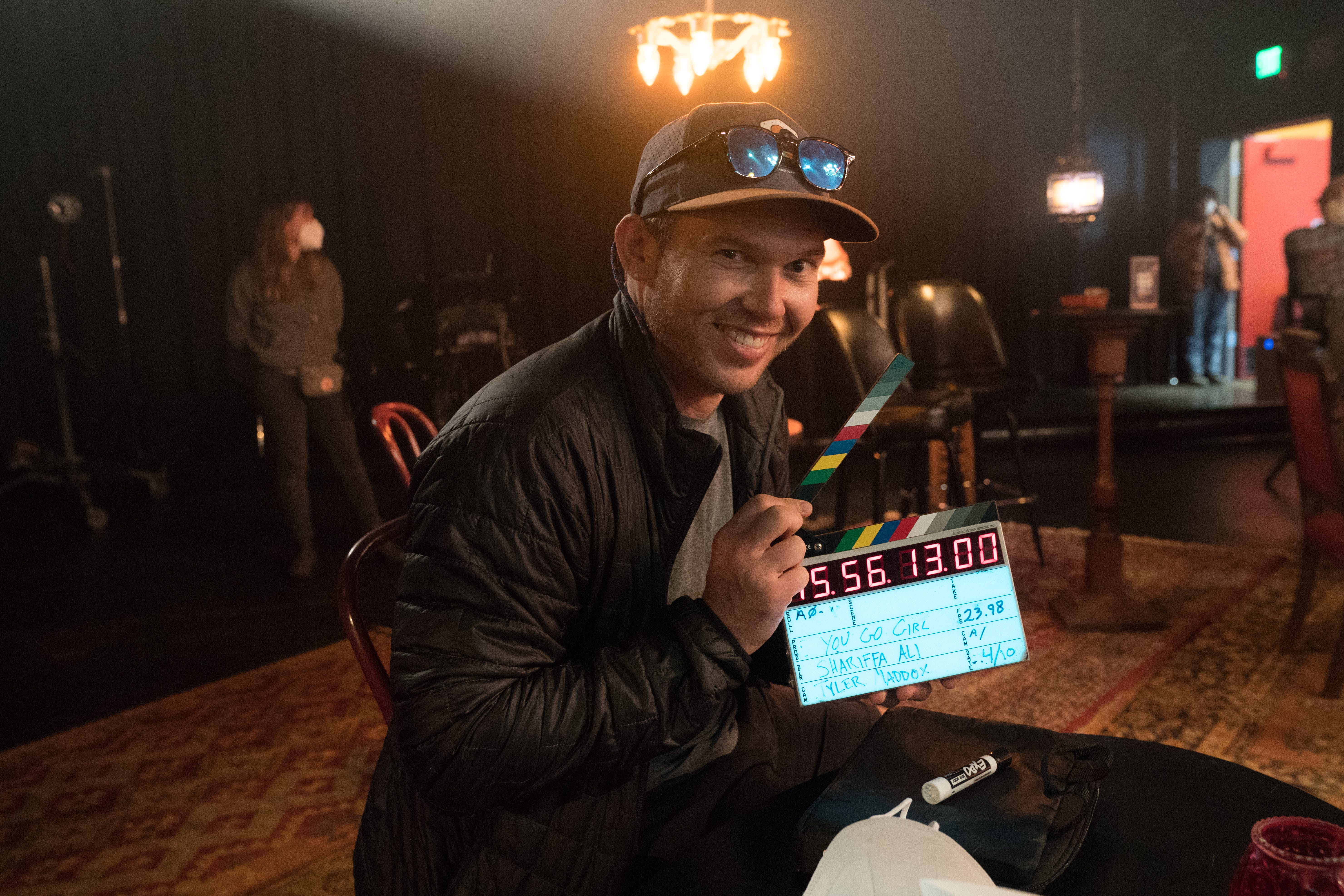
One example is the Pathways Placement program, a workforce initiative supported through the Creative Opportunity Program and administered in partnership with Outside the Frame and the Oregon Made Creative Foundation. Since its inception, Pathways has placed more than 70 people into 127 paid placements on film and media productions, creating entry-level access to real working sets and studios for people who otherwise might not have had a pathway into the industry.
Training sits upstream from those placements. Through partnerships with Outside the Frame and Desert Island Studios, the program funds Production Assistant training courses, preparing participants for those same on-set opportunities. These sessions have trained scores of participants and fed them directly into paid placements, creating a deliberate system: learn the basics, then step onto a working production. A similar “sister” program is done in partnership with the Indigenous Creative Stage Workers Alliance.
The greatest upside to the Pathways program is that participants overwhelmingly create their own lasting relationships that lead directly to further work in the industry.
The Creative Opportunity Program also invests in project development.
The most recent example of this is The Bridge. A producer intensive workshop for Oregon content creators done in conjunction with the Sundance Institute and the Portland Events and Film Office. A three day, connection driven, multi-disciplinary workshop, The Bridge seeks to give mid-level producers, directors and writers training directly from experienced creatives both in-person and through virtual channels. In addition, participants get access to the Sundance Institute’s existing library of labs and tutorials for a further year. Aspects covered in The Bridge include financing, distribution, Impact Producing, festival strategy and marketing & publicity.
Through partnerships like the Catalyst Script to Screen program, the COP also helps emerging writers and directors, particularly women, non-binary filmmakers, and creators from historically underrepresented communities, turn a winning short film script into an actual production. The selected projects receive funding, mentorship, and in-kind production support to move from page to screen, while also providing opportunities for dozens of collaborators to gain experience on a real set.
Another initiative, the Lion Speaks Director Development Program, focuses specifically on expanding opportunities for directors of color in the Pacific Northwest. Participants receive mentorship from industry professionals, workshops covering every stage of directing from pre-production to post, and networking opportunities designed to translate creative ambition into professional momentum.
And some of the program’s results show up directly on screen.
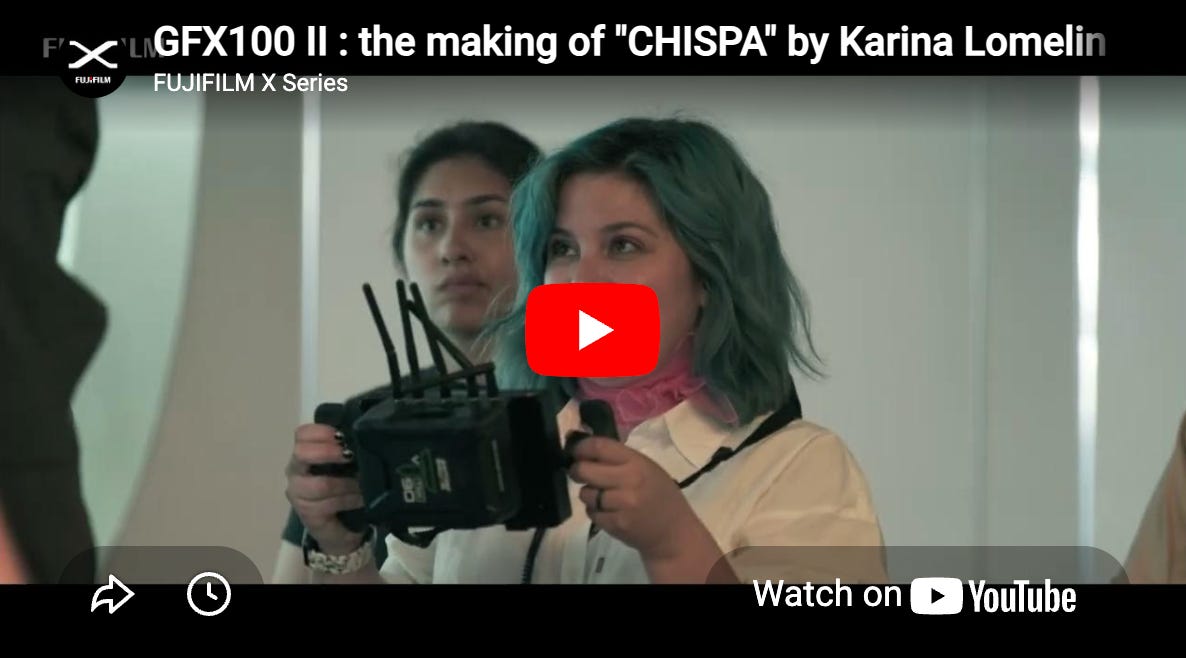
Through the Creative Opportunity Program’s Tell Your Story Grant, filmmaker Karina Lomelin Ripper created the short film “Chispa,” a project also supported by FujiFilm and recognized with many screenings and festival appearences. The grant, awarded directly to a filmmaker rather than to a specific project, helped to give Karina space and time to turn her idea into a completed film, becoming another aspect of her growing creative resume.
In 2025 the COP committed $120,000 to ten feature length and short film projects being shot in Oregon and produced by Oregon Filmmakers. The Oregon Film Impact Grants were the first of its kind in the state, investing directly in projects from Oregon.
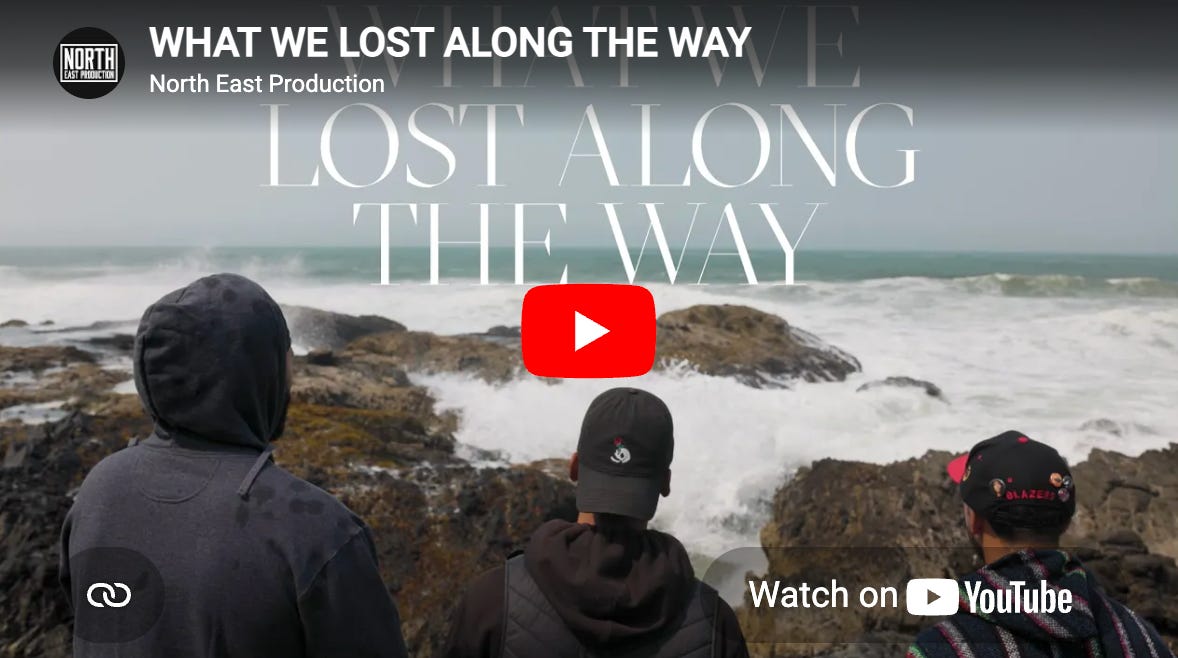
Another funded project, “What We Lost Along the Way” by filmmaker Devin Boss, demonstrates how these grants support storytelling rooted in Oregon landscapes. A winner of the Outdoor Adventure Film Grant, the film is both a creative work of growth and friendship set on the Oregon Coast as well as a proof of concept for how short form regional stories can be developed locally and then shared more widely.
Support for programs developed by regional partners like Film Southern Oregon, Central Oregon Film Office, Joma Films, Eastern Oregon Film Festival and Lane County Studios help to highlight a simple truth about regional creative economies: Incentives alone can bring production to a state, but they cannot guarantee that the benefits of those productions remain there. That requires workforce development, career pathways, and opportunities for local artists to create their own work.
By allocating a small portion of its incentive funding toward these goals, Oregon has created a mechanism that links incoming production spending to long-term creative capacity.
In other words, every production that comes to Oregon helps build the next generation of Oregon filmmakers.
Taken individually, each of these programs are relatively small.
A training course here.
A grant there.
A handful of paid placements.
But taken together, they reflect a different model for how a state film office can operate. Creating a clear path from entry level to experienced filmmaker the COP brings funding directly to projects, partners, organizations and the filmmaking residents of Oregon.
The traditional role of a film commission is to attract and retain production work.
The Creative Opportunity Program adds another responsibility: cultivate the people who do that work well.